
スキニーシングルス――パッシングショットが「打てない」と感じる理由 Skinny singles: why passing shots feel impossible
- Marlin-kun

- Feb 7
- 5 min read


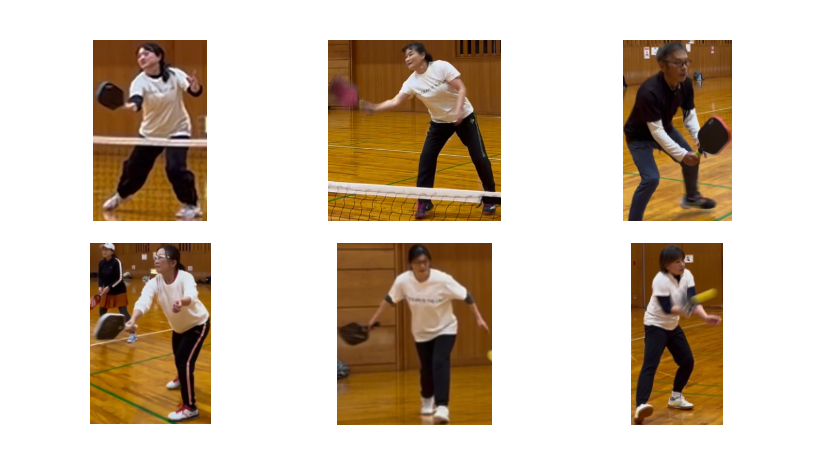


昨日の練習で、私たちはスキニーシングルスを少し取り入れてみました。見た目はシンプルですが、やってみると想像以上に多くの気づきを与えてくれる練習方法です。特にダブルスを主にプレーしている人ほど、その効果を強く感じると思います。
まず、スキニーシングルスとは何かを簡単に説明します。
スキニーシングルスは、コートの半分だけを使って行うシングルスです。デュースサイド、またはアドサイドのどちらか一方のみを使用し、センターラインがアウトの境界になります。使う側のノンボレーゾーン(キッチン)は通常どおり有効で、スコアや基本ルールは通常のシングルスと同じです。ルール自体は特別なものではありませんが、コートが半分になることで、プレーの感覚は大きく変わります。
数ラリーもすると、必ず誰かがこう言います。「パッシングショット、全然通らないですね。」その感覚は間違っていません。コートが狭く、相手はすでにキッチンライン付近で構えているため、ダブルスなら通りそうなショットでも簡単に処理されてしまいます。強く打っても、コースを狙っても、なかなか決まりません。スキニーシングルスでは、パワーやスピードだけではどうにもならないことが、すぐに分かります。
そして、ここにこの練習の本質があります。 スキニーシングルスは、ダブルスにおいて多くの人が見落としがちな事実をはっきりと突きつけてきます。実は、パッシングショットはもともと成功率の高いショットではありません。相手がバランス良く構えている状態で、正面から抜こうとするのは、コートの構造上かなり無理があります。通常のダブルスではコートが広いため、無理な選択でもたまたま通ってしまうことがありますが、スキニーシングルスではそうはいきません。
そのため、プレーヤーは自然と考え方を変えざるを得なくなります。無理にパッシングショットを狙うのではなく、どうやって相手を動かすか、どうやってバランスを崩すかに意識が向きます。ワイドへのディンク、体に向かうボール、低く抑えたリセット。結果としてポイントを取るのは、強烈なウィナーではなく、相手のミスであることがほとんどです。
スキニーシングルスを続けていると、「地味なショット」の価値も見えてきます。低く、速すぎず、攻められないボールを打ち続けることが、実は一番相手にとって嫌だということに気づきます。ダウン・ザ・ラインのショットも完全になくなるわけではありませんが、相手がクロスに寄った瞬間や、体勢を崩した一瞬を見極めなければ通りません。適当に打って決まるショットではない、ということをコートが教えてくれます。
この練習がダブルスにとてもよくつながる理由はここにあります。動きはダブルスと非常に近く、判断の質が磨かれます。すべてのボールを自分で処理しなければならないため、焦った判断や悪いポジショニングがそのまま結果に表れます。スキニーシングルスを経験した後にダブルスに戻ると、コートが広く感じられ、無理に攻めなくてもポイントを組み立てられるようになります。もちろん、スキニーシングルスだけでダブルスのすべてが身につくわけではありません。パートナーとの連携やポーチ、スタッキングなどは別の練習が必要です。それでも、技術面とメンタル面の両方を鍛える練習として、スキニーシングルスは非常に正直で効果的です。パッシングショットが「打てない」と感じるのは、練習がうまくいっていないからではありません。それこそが、この練習が与えてくれる最大の学びです。コートを小さくすることで、プレーはよりシンプルになり、判断はより正確になります。
遠回りに見えて、実はそれが一番の近道なのかもしれません。
At practice yesterday, we spent some time playing skinny singles, a deceptively simple pickleball format that has a way of exposing habits very quickly, especially for doubles players. Before getting into what we learned, it helps to explain what skinny singles actually are. Skinny singles is a singles format played using only half of the court. Players compete on either the deuce side or the ad side, with the center line acting as the boundary. Everything on the opposite half of the court is out, while the non-volley zone on the active side remains fully in play. Scoring follows standard singles rules, and depending on the variation, players may stay on the same side or switch sides when the score is odd. The rules are familiar, but the space is not.
The court suddenly feels very small. It does not take long before someone voices the shared frustration: passing shots feel impossible. That feeling is not an accident. The court is narrow, the opponent is already close to the kitchen line, and there is no extra angle to work with. Shots that might sneak past in doubles come straight back, or get blocked effortlessly. Trying to force a winner quickly turns into a lesson in futility. Skinny singles removes the illusion that power or pace alone can solve the problem. What the format reveals, very clearly, is an uncomfortable truth about doubles pickleball. Most passing shots are low-percentage plays. When an opponent is balanced and ready at the non-volley zone, the geometry simply does not allow you to hit through them consistently. In a full doubles court, poor decisions can be hidden by extra space. In skinny singles, they are exposed immediately.
As a result, players are forced to change how they think about winning points. Passing shots stop being something you try to hit outright and start becoming something you earn. The emphasis shifts from aggression to construction. You learn to move your opponent before attempting to beat them, to use dinks and soft shots to create imbalance, and to accept that many points are won not by clean winners but by inducing errors. A rushed volley into the net or a pop-up under pressure becomes the true payoff. Skinny singles also changes how players view “boring” shots. Low, controlled balls that stay unattackable suddenly become valuable. Resets feel less like concessions and more like smart investments. Even down-the-line shots, which remain effective, must be timed correctly. They only work when the opponent is leaning, reaching, or momentarily out of position. The court teaches patience whether you want it to or not.
This is why skinny singles translate so well to doubles play. The movement patterns mirror real doubles footwork. The constant engagement sharpens balance and recovery. Because every ball comes back to you, there is no partner to mask rushed decisions or poor positioning. Players return to doubles calmer, more selective, and far less tempted to force passes that are not there.
Skinny singles do not replace doubles practice. They do not teach communication, poaching, or stacking. But as a technical and mental training tool, they are remarkably honest. They shrink the court, slow the game down, and strip away bad habits.
So yes, passing shots feel impossible in skinny singles. That frustration is not a problem to solve. It is the lesson itself. And once players accept it, doubles suddenly feel wider, slower, and much easier to manage.
Sometimes, the fastest way to improve is to make the court smaller.


Comments